CAN YOU LEGALLY FLY AN EVTOL WITHOUT A PILOT'S LICENSE?
BY THE RISE VERTICAL TEAM · YIVTOL'S TOP-TIER USA PARTNER · OTTAWA, ILLINOIS
THE SHORT ANSWER
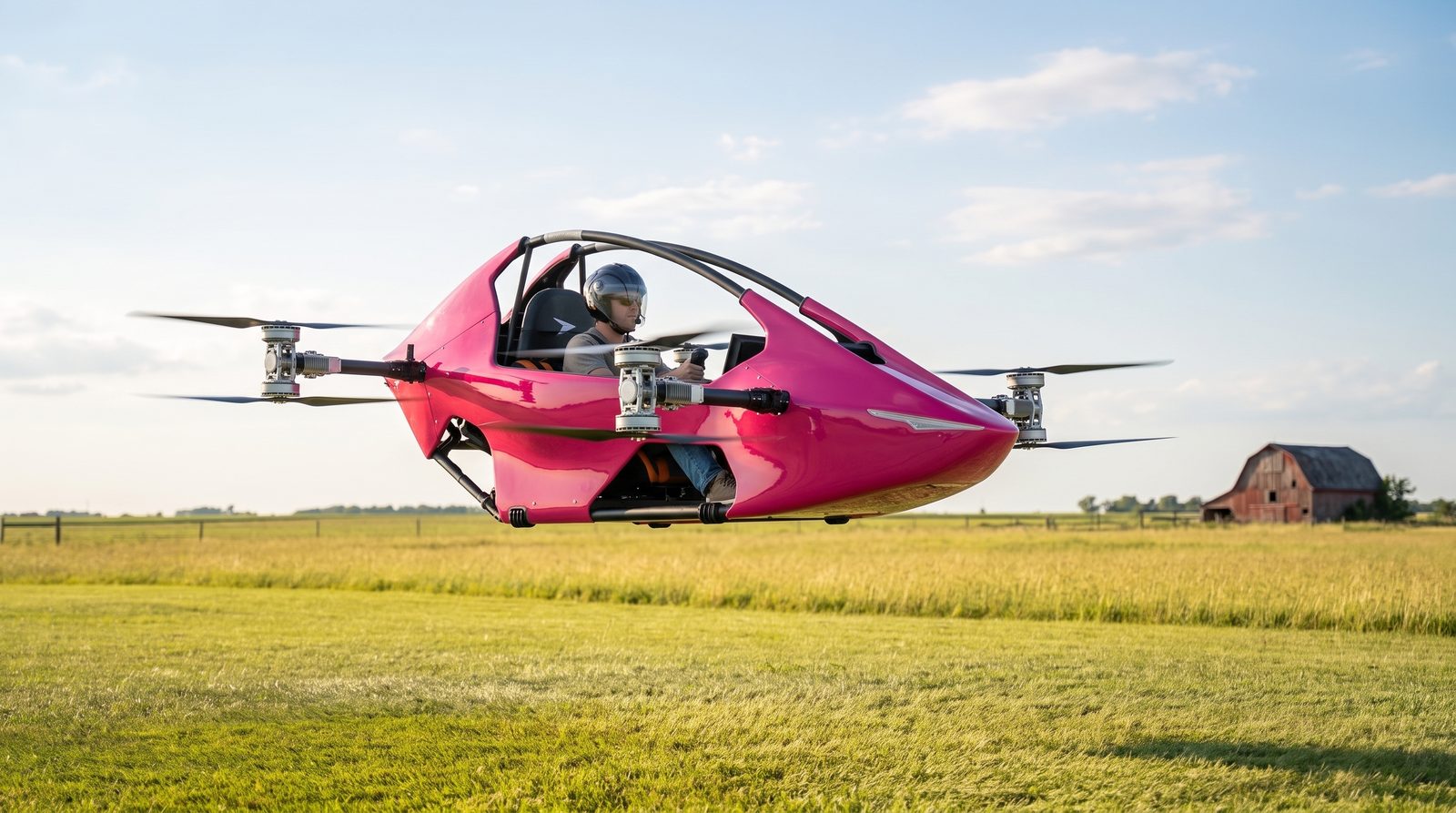
Yes. Under FAA Part 103, a single-seat eVTOL that qualifies as an ultralight vehicle can be flown legally in the United States with no pilot's license, no FAA registration, and no medical certificate. The aircraft must weigh under 254 lb empty, fly no faster than 63 mph, and be operated in daylight over uncongested areas. This has been federal law since 1982 — eVTOLs like the YIVTOL S-Zero are simply the newest aircraft designed to fit inside it.
WHAT IS FAA PART 103?
Part 103 is a section of the Federal Aviation Regulations created in 1982 for "ultralight vehicles" — small, slow, single-seat recreational aircraft. The FAA's position was simple: an aircraft this light and this slow poses so little risk to others that it doesn't need the licensing, registration, and certification machinery that applies to airplanes. For four decades, Americans have flown hang gliders, paramotors, and fixed-wing ultralights under this rule. What's new is that modern battery and flight-control technology now lets a vertical-takeoff electric aircraft meet the same definition.
THE PART 103 LIMITS, IN ONE TABLE
To fly license-free, the aircraft — not the pilot — must qualify. These are the requirements for a powered ultralight vehicle:
Meet all of those, and 14 CFR §103.7 says it plainly: no airman certificate, no medical, no aircraft certification, no registration.
HOW AN EVTOL FITS INSIDE THE RULE
Take the YIVTOL S-Zero, the aircraft we distribute in the United States. Its titanium-and-carbon airframe weighs 115 kg (253 lb) — under the 254 lb ceiling. Its flight computer limits speed to 60 mph, under the 63 mph cap. It's electric, so the 5-gallon fuel limit doesn't come into play. And it seats exactly one person. That combination is what makes it legal to fly without a license — not a loophole, just an aircraft engineered to the letter of a 40-year-old federal rule.
Compare that with anything heavier or faster: one pound over 254, one seat too many, and you're in experimental or light-sport territory — with certificates, registration, and medicals attached. The limits are the whole game, which is why serious manufacturers design to them from day one.
WHAT PART 103 DOESN'T LET YOU DO
- No passengers. Single occupant means single occupant — every Part 103 aircraft is a one-seater.
- No night flying. Daylight hours only, extendable into civil twilight with an anti-collision light visible for at least 3 statute miles.
- No congested areas. You can't fly over towns, cities, or any open-air assembly of people.
- No controlled airspace without permission. Class B, C, D and certain E airspace require prior ATC authorization.
- No commercial use. Part 103 is recreational and sport flying only.
In practice, those restrictions describe exactly where an S-Zero owner flies anyway: open, rural, private land. If you own acreage — a farm, a ranch, land outside town — your property is already the ideal Part 103 flying environment. We wrote a separate guide on where you can fly, and it's also covered in our FAQ.
NO LICENSE ≠ NO TRAINING
Here's the part every honest seller should say out loud: the law not requiring training doesn't make training optional in practice. The FAA, the U.S. Ultralight Association, and virtually every experienced ultralight pilot strongly recommend instruction before your first solo flight. The S-Zero's AI-assisted flight control does the hard stabilization work — you point the stick, it handles the physics — but judgment, pre-flight checks, and emergency habits are learned, not downloaded.
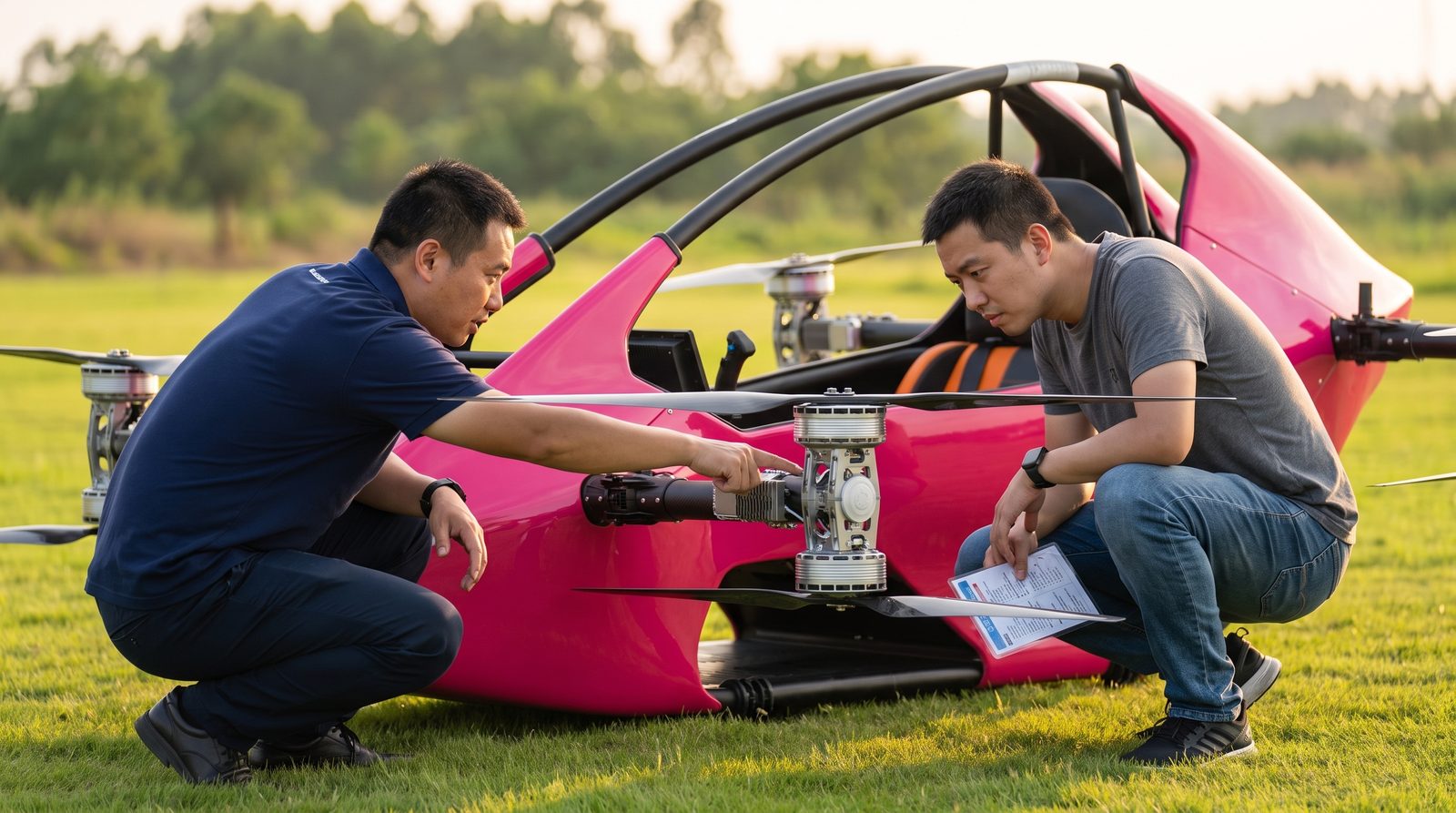
That's why every Rise Vertical purchase includes training from a factory test pilot at your own location, on your own aircraft — pre-flight, hands-on flight, and post-flight — plus access to our Flight Training Center and its S-Zero flight simulator. When your trainer leaves, your aircraft has been checked, inspected, and you've flown it under expert eyes.
THE BOTTOM LINE
If an eVTOL meets the Part 103 definition — under 254 lb, under 63 mph, one seat — you can legally buy one today and fly it on your own land without ever holding a pilot's license. The S-Zero starts at $59,000, is delivered crated to your door, and comes with the training that turns "legal" into "ready."
QUICK ANSWERS
Do I need a pilot's license to fly an eVTOL in the USA?
No — if the aircraft qualifies as an ultralight vehicle under FAA Part 103, no pilot's license, airman certificate, or logged flight hours are required to operate it legally in the United States.
Does a Part 103 eVTOL need to be registered with the FAA?
No. Part 103 ultralight vehicles do not require FAA registration or an N-number, and there is no annual inspection requirement like certified aircraft.
Do I need a medical certificate to fly a Part 103 aircraft?
No. Part 103 requires no FAA medical certificate of any kind.
What are the FAA Part 103 weight and speed limits?
A powered ultralight must be single-occupant, weigh less than 254 lb (115 kg) empty, have a top speed of 55 knots (63 mph) or less, a power-off stall speed of 24 knots or less, and carry no more than 5 U.S. gallons of fuel.
Where can you legally fly a Part 103 ultralight?
In uncontrolled airspace during daylight hours, away from congested areas, open-air assemblies of people, and controlled airspace unless you have prior authorization. Rural and agricultural land is ideal.
Can a Part 103 eVTOL carry a passenger?
No. Part 103 ultralights are strictly single-occupant aircraft — that single seat is part of what keeps them license-free.
This article describes FAA Part 103 as of September 2026 and is provided for general information — it is not legal or regulatory advice. Always review current FAA regulations and local rules before flying.