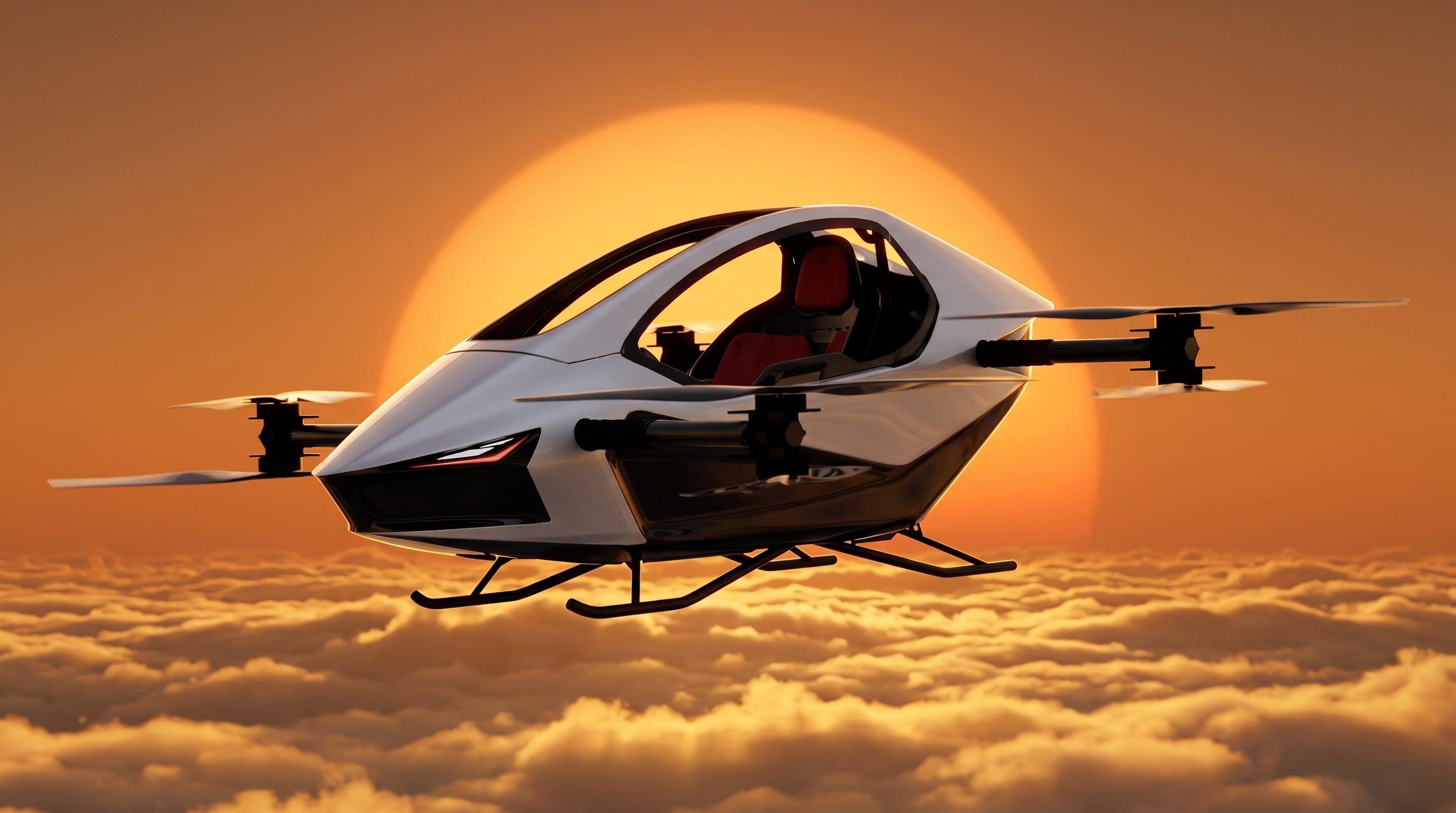
FAA PART 103 · BEFORE YOU FLY
QUESTIONS,ANSWERED.
Buying a personal aircraft isn't an everyday purchase — we expect you to have questions. Here are the ones future S-Zero owners ask us most.
FAA PART 103 · LICENSING & REGULATIONS
NO PRESSURE.
REAL ANSWERS.
One of the biggest advantages of qualifying ultralight flight is how different the ownership experience can be from traditional aviation.
When configured and operated as a qualifying ultralight vehicle under FAA Part 103, an FAA pilot certificate is not required. That means you do not need to obtain a traditional Private Pilot License or Sport Pilot Certificate simply to operate a qualifying Part 103 ultralight. Rise Vertical strongly recommends proper training and aircraft familiarization before operating independently.
FAA Part 103 provides the federal regulatory framework for ultralight vehicles in the United States. To operate under Part 103, the aircraft and its operation must meet the applicable FAA requirements and limitations. Rise Vertical can help prospective owners understand the basic operating requirements before purchasing.
Qualifying Part 103 ultralight vehicles do not require standard FAA aircraft registration or an FAA airworthiness certificate.
An FAA medical certificate is not required to operate a qualifying Part 103 ultralight vehicle.
Part 103 ultralights are particularly well suited for operations in Class G uncontrolled airspace. Operations in certain controlled airspace require prior authorization from the air traffic control facility having jurisdiction over that airspace. Part 103 also contains restrictions regarding congested areas, certain airports, clouds, visibility, and other operating conditions. Every owner should understand the applicable airspace and operating rules before flying.
Part 103 generally limits ultralight operations to daylight hours. Limited operations during civil twilight may be permitted when the vehicle meets the applicable FAA lighting requirements.
No. Part 103 applies to ultralight vehicles intended for operation by a single occupant.
Yes. The YIVTOL S-Zero has manufacturer-specified pilot and operating weight limitations. These are separate from the FAA's Part 103 aircraft empty-weight requirements. Contact Rise Vertical to discuss current specifications and determine whether the S-Zero is appropriate for you.
Call 815-993-0363 or email stevengray@risevertical.com. We'll lock in your configuration and handle everything from the factory to your driveway.
FAA regulations, aircraft specifications, and operating requirements may change. This information is provided for general purposes and is not legal or regulatory advice. Owners and operators are responsible for complying with applicable FAA regulations, airspace requirements, manufacturer limitations, and local rules.
DIDN'T FIND YOUR ANSWER?
Call 815-993-0363 or send a note — we're happy to talk through Part 103, training, delivery, or anything else.